

bambu Living

When Fear Enters Daily Life in Our Communities
March 30, 2026
When fear enters daily life, communities fray. Bambu stands with immigrant neighbors, opposes intimidation-driven tactics, and is signing on with other organizations to defend our civil rights. This post offers clear, practical steps: where to get verified information, how to share responsibly, and ways to support families through trusted legal-aid and community resources.
Browse by Category

March 30, 2026
When Fear Enters Daily Life in Our Communities
When fear enters daily life, communities fray. Bambu stands with immigrant neighbors, opposes intimidation-driven tactics, and is signing on with other organizations to defend our civil rights. This post offers...

February 9, 2026
Lunar New Year - Year of the (Fire) Horse
Horse energy is about movement, momentum, and independence—an aversion to being boxed in, and a preference for learning by doing.

January 2, 2026
Supporting the Future: Our Commitment to Giving Back
Our belief is that business can be a force for good. By supporting organizations and investing in innovative solutions to protect vital ecosystems, we hope to contribute to a future...

November 24, 2025
Navigating Uncertain Times: A Message from Bambu’s Founders
This is not just a business story for us—it’s personal. We are grateful for the relationships we’ve created and proud of the partnerships we have built.

September 24, 2025
Why Bamboo Has a Place at Every Table - from Home to Hospitality
Discover why bamboo is the #1 choice for sustainable disposable plates. Now with the FDA ban on palm leaf plates, the choice become clearer. Compare the differences of bamboo and...
July 11, 2025
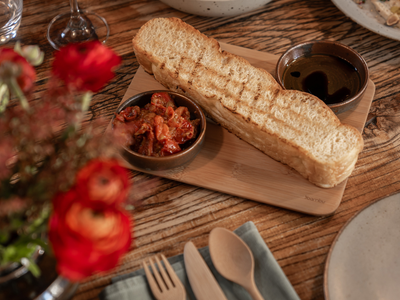
Meet Our Latest Bamboo Tools - What's New in 2025
Floating Series Cutting Boards and Trios Spatula Set — Crafted by Nature, Refined by Bambu At Bambu, we believe your kitchen tools should do more than just perform — they...
June 25, 2025
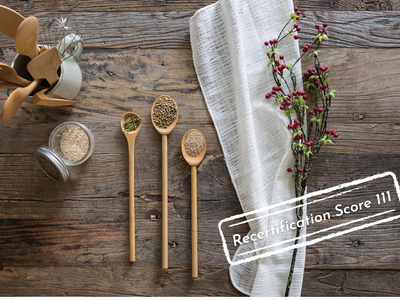
Our New B Corp Recertification Score—A Triple Commitment to People, Planet, and Plastic-Free
Bambu’s growth has always followed a different path—one shaped by sustainable materials, ethical sourcing, and full accountability. And while scoring 111 in our latest B Corp Impact Assessment is something...

May 5, 2025
The Impact of B Corps: A Closer Look at Sustainability and Ethics in Business
Every purchase you make is like a little “vote” for the company you buy from – and the values you believe in. But it can be hard to know just what...

April 16, 2025
The Caterer’s Guide to Eco-Friendly Event Essentials: From Tasting Sporks to Serving Tongs
Whether you’re a caterer, party planner or restaurant owner hosting a special event, catering supplies and utensils are a must-have. We’ve designed eco-friendly catering supplies to make your job a...

April 2, 2025
Earth-Friendly Parties: Planning Tips for a Sustainable Soiree
If you’re gearing up for some eco-friendly party planning, then you already know that there can be a lot of things to think about. Between food, decorations, and music, the...
January 23, 2025
Embracing Renewal and Growth: Celebrating the Year of the Wood Snake
In the Chinese zodiac, 2025 is the year of the wood snake, a rare confluence of animal and element symbols that occurs only once every 60 years. This year will be associated with wisdom,...

December 17, 2024
Black Plastic in the Kitchen? Why Bambu’s Natural Bamboo Utensils Are the Smarter Choice
Research published in Chemosphere revealed that 85% of black plastic household items, including cooking utensils, contain toxic chemicals such as flame retardants, which can leach into food during use.
November 5, 2024
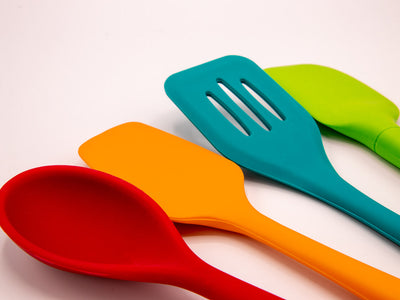
The Dirty Truth About Plastic Cookware
When it comes to eco-friendly living, many of us search for organic or chemical-free foods, cut down on single-use plastics, and recycle. But what about cookware? When we started bambu,...